
SYMOPREP™ User Manual
This user manual explains how to use the SYMOPREP™ V5 particle sampling tool (Figure 1), hereafter referred to as SYMOPREP™. It describes how to use the SYMOPREP™ unit to collect particles on various surfaces, its operating limitations, and the main safety rules.
Sampling consists of six main phases:
- Safety
- Preparation of equipment
- Sampling itself
- Recovery of samples
- Cleaning
- Storage of the device
1 SAFETY
The device is powered by compressed air between 1 and 8 bar. Compressed air is a classic source of hazard. Upon expansion, it may project small elements. Appropriate protective goggles must therefore be worn during any use of compressed air, and suitable equipment must be used.
It is important to ensure the good condition of the flexible compressed air hoses and to replace them if any visible damage appears. In particular, avoid bending them beyond their elasticity threshold. Compliance with the manufacturer instructions of the compressed air tank and compressor, if applicable, is also required. Special attention must be paid to avoiding blockage or damage to the tank or compressor safety devices (valve, regulator). As a general rule, avoid any impact on pressurized equipment that could cause a rupture of a hose.
SYMOPREP™ must be used with the silencer installed to maintain an acceptable noise level. Under current labor regulations, the device may be used without hearing protection even for long durations not exceeding 2 hours, provided the silencer is correctly installed on the outlet. The use of PPE—protective gloves and goggles—is strongly recommended when using SYMOPREP™.
SYMOPREP™ is a prototype, and therefore may have imperfections. In the event of any anomaly during use, return immediately to a safe situation by disconnecting SYMOPREP® from its compressed air supply and contact the designated CEA representative.
2 EQUIPMENT
The equipment required to use SYMOPREP™ includes a transport case.
The complete kit is described in each pack upon delivery. You can view the different configurations by clicking on the following link: https://www.symoprep.com/configurations/
3 SAMPLING TECHNIQUES
3.1 General Information
SYMOPREP™ enables the collection of visible and invisible particles for analysis. A sampling session generally lasts about one minute, but may be shorter or longer depending on the compressed air source connected to SYMOPREP™:
- Laboratory compressed air network at 7 bar with a 6 or 8 mm outlet and a flow rate of approximately 80–100 L/min at 7 bar
- On-site via a 7-bar breathing apparatus hose (ARI), ~20 min autonomy
- Direct connection to a 14 L portable 8-bar compressed air tank (~1 min autonomy)
- Direct connection to an 8-bar compressor (preferably dry)
3.2 Operating Limitations
SYMOPREP™ can collect particles from a few microns up to 2 mm in diameter. If solid fragments larger than 2 mm are present, the intake grid must be installed to avoid clogging. The grid is included in each case.
The prototype is more efficient on dry surfaces than wet ones. However, SYMOPREP™ can safely collect up to 30 cm³ of liquid; minor projections may occur at the top of the unit.
The tested operating temperature range is 1°C to 30°C and should preferably be respected. The maximum limits correspond to the specifications of the compressed air supply (tank, hoses, fittings). For example, the Tanky air tank can operate between –10°C and +50°C.
The operating pressure range is 5 to 8 bar absolute. SYMOPREP™ must not be used above 8 bar. It can operate in degraded mode below 5 bar, but efficiency decreases significantly at low pressure (e.g., nearly empty air tank).
SYMOPREP™ must be kept vertical when not operating to prevent sample loss by gravity. Orientation does not matter during operation thanks to the internal airflow confining the samples within the cup.
If needed, the black handle can be reversed using the two screws for improved grip, or removed.
The maximum sample volume is < 30 cm³ in one pass, but usually even invisible particles at the bottom of the cup are sufficient for sensitive analyzers.
Sticky samples are unsuitable for SYMOPREP™ collection.
SYMOPREP™ may be used safely in the rain as long as the compressed air supply is not connected to a 240 V mains line.
3.3 Standard Operating Procedure
Preparation
Wear required PPE and follow safety instructions.
3.3.1 Using SYMOPREP™
Check the tightening of SYMOPREP™’s three interfaces (Figure 1).
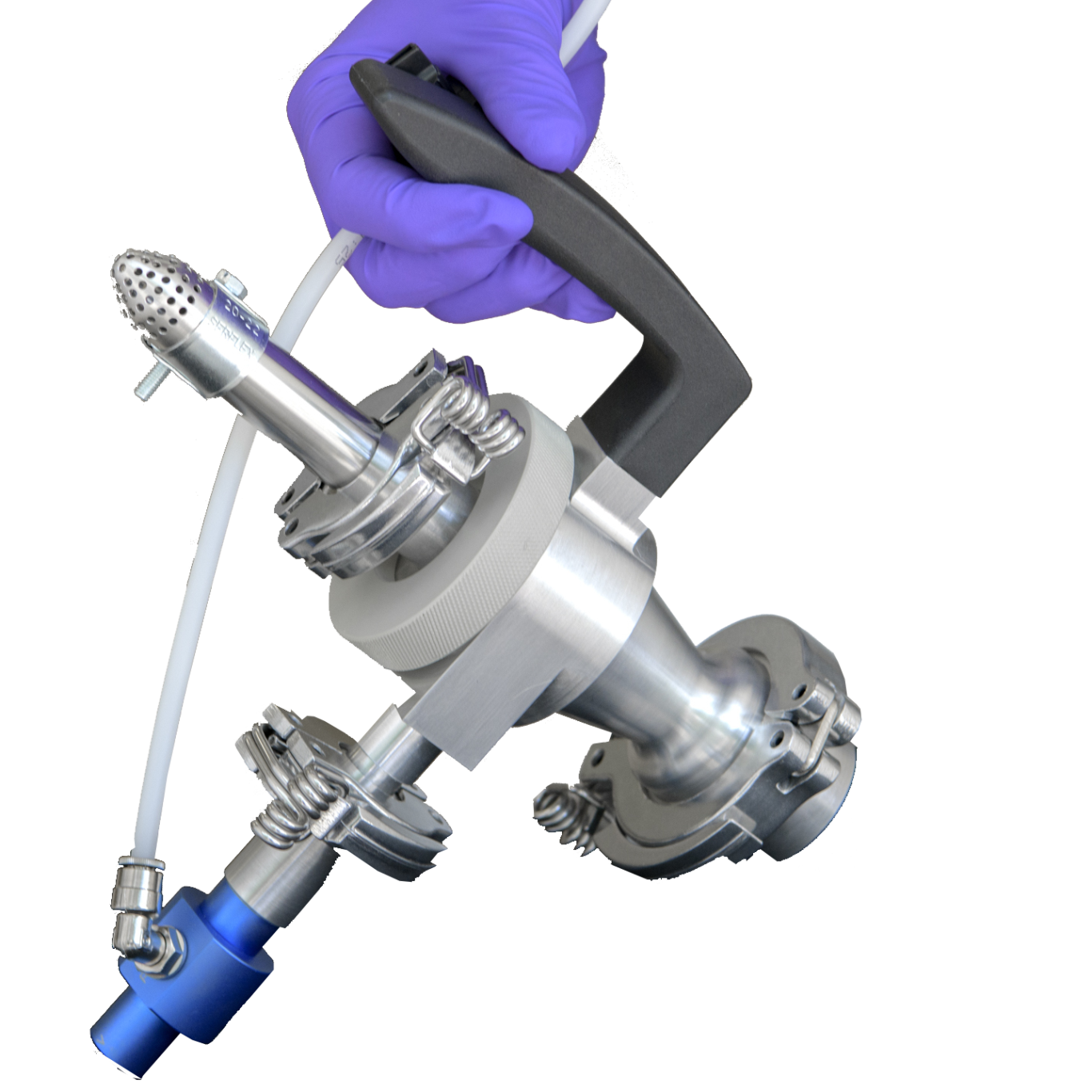
Figure 1 : 3 detachable parts: The suction nozzle – The cyclone – The receptacle
Connect SYMOPREP™ to the compressed air tank, air network, or ARI hose using the dedicated quick-connect hose.
Sampling
Bring SYMOPREP™ to the sampling site. Adjust the tank pressure regulator to 7–8 bar without opening SYMOPREP™’s valve.
Perform sampling with the valve fully opened until the air supply is exhausted, keeping the cyclone vertical when airflow is absent.Approach the intake nozzle to the surface at a 45° angle until lightly touching it. Progress in straight parallel lines (Figure 2), turning at the end of each row. In one minute, approximately an A3-sized surface can be covered.
If solid fragments > 2 mm are present, install the intake grid.
Hold SYMOPREP™ vertically after sampling.
Sample Recovery
Carefully separate the cup from the main body while keeping SYMOPREP™ vertical.
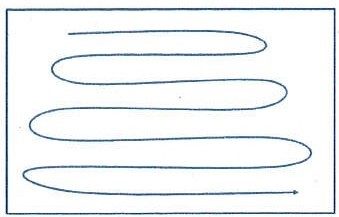
Figure 2: Typical SYMOPREP® sampling trajectory (A3 surface).
If solid fragments > 2 mm are present, install the intake grid.
Hold SYMOPREP™ vertically after sampling.
Sample Recovery
Carefully separate the cup from the main body while keeping SYMOPREP™ vertical.
3.3.2 - Using SYMOPREP™ with a TANKY air tank (specific instructions)
The air tank may be used for mobile or outdoor sampling, including in the rain.
Refer to the tank’s user manual. Ensure the bottom purge valve is fully closed (unscrewed). This must be done by hand—no tools required. Note: screwing = open, unscrewing = closed.
Ensure the output pressure regulator (red knob, Figure 4) is fully unscrewed (meaning “closed”).
The tank may be filled to 6–8 bar using:
- A hose with adapter on a compressed air network (minimum 7 bar, maximum 8 bar) — duration: a few minutes
- A dry-air 8-bar compressor such as BOXY (Figure 6) using its built-in hose — duration: ~2 minutes (automatic stop)
3.3.3 Using SYMOPREP™ with a TANKY-type compressor
The compressor may be used when no air network or portable air tank is available.
A similar adapter to the tank connector may be used to connect SYMOPREP™.
This configuration allows much longer sampling sessions than the one-minute limit of a tank.
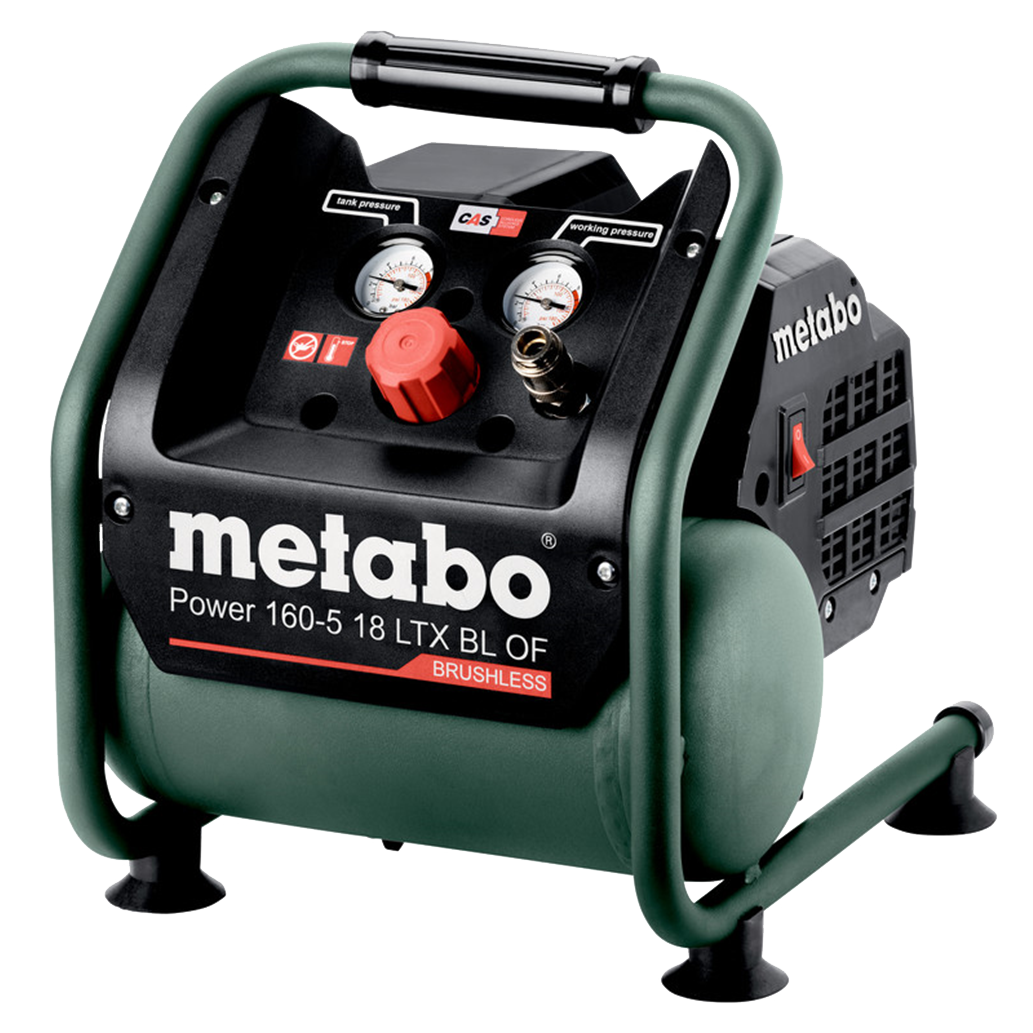
Figure 3: METABO commercial compressor, included in the SYMOPREP FLEX configuration
4 CLEANING SYMOPREP™
The cleaning procedure depends on the collected samples.
The following operations may be performed in decreasing order of effectiveness depending on the expected contamination level. If in doubt, use the nominal procedure.
Nominal Procedure
Disassemble the three interfaces and clean internal parts with solvent (acetonitrile is generally suitable) using clean absorbent paper and a clean brush to scrub the internal particle path.
Inspect seals and replace if in doubt, otherwise clean with solvent.
After drying, reassemble SYMOPREP™.
Aspirate up to 1 cm³ of acetonitrile and analyze as a blank to confirm cleaning effectiveness.
Quick Procedure (for trace levels)
Disassemble the three interfaces and clean them with solvent (e.g., acetonitrile). Clean or replace the two seals.
Reassemble SYMOPREP™, operate it, and aspirate 3×20 cm³ of solvent, emptying the cup between runs.
Aspirate a final volume of up to 1 cm³ and analyze as a blank.
If contamination remains, perform the nominal procedure.
5. STORAGE
Place SYMOPREP™ in a new or sterile polyethylene bag (UGAP reference: 2771151) to avoid cross-contamination until the next use.